ChrisOfBristol
Members
-
Joined
-
Last visited
-
-
Agreed. 2 of the 3 other e-bikes I've owned had better methods, even my first one, a Chinese one with a lead-acid battery that weighed a ton, partly due to the batteries and partly due to the bike being designed like a battleship. It had a Hall-effect sensor which screwed into the motor hub, although that obviously only sensed cadence not torque. The one that wasn't had a sensor inside the bottom bracket which failed.
-
(Image from the thread you linked to) The saga continues! Further riding has revealed that the sensor is badly designed. I went out on a rainy day and the bike stopped with error 21 Torque Sensor electrical problem - I was impressed with the straightforward and accurate fault finding. I took it off and could see that the cable outer sleeve was not secured to the housing. It just has a cable tie to stop it being pulled out, but that doesn't stop it waggling around. That means that the weak point is the 4 thin inner leads. The next day after straightening out the inner leads and perhaps the circuit had dried out, it was working again. I shall probably cut the wire off and solder it to the circuit, then strip off the remains of the potting compound, epoxy the cable into the well in the corner, then fill the case with silicone sealant (non-acidic advised by ChatGPT). Other have criticised the two tabs on the casing which locate either side of a metal tab on the disk on the back of the chainring. I agree, they are inadequate because they don't just have to locate the sensor, they also have to stop that disk rotating. Also, because they are only a loose fit around the tab, the sensor waggles about, stressing the wires. I assumed the "ATS Torque Sensor" in your thread was an upgraded one, but the link to it is broken and I haven't found any trace of it so far. ChatGPT gives me the impression there was no compatible upgraded version, although there was a six-pin version (mine has 4). It probably wouldn't help anyway as the problems are mechanical and it looks the same.

-
-
-
I don't know its age or exact model number and would be interested to know if anyone does. It must be the old type, as it has the type of torque sensor you describe. It is complicated and seems rather over-engineered, it had 5 strong springs and I removed 3. That was quite a struggle and I had to bend back some of the sensor tabs which had got in the way of my pliers. It's a pity they chose to include 5 springs as it's not possible to remove any and leave a symmetrical pattern. I've just done a short test ride and the pedal force seems to be just about right. I'll take it on a longer ride tomorrow to confirm it.


-
There is No/Eco/Tour/ Climb/Sport. It's hard in all modes, but least hard in Climb. I've fiddled with pressing the pedals with the brake on. I can see that a disk attached to the pedal and the crank rotates a small number of degrees independently of the chainring. So I'm guessing there are springs between the two inside the chainring as I've had one like that before. I couldn't find an image, but it had the same sort of arrangement as in this car clutch plate. Hopefully I'll be able to remove or replace some of them.

-
-
It needs quite a firm push on the pedals to bring the power in. That means I am doing a lot of the work, which is not my idea of an electric bike. ChatGPT says this is a common issue with these bikes. Is there anything I can do to reduce this? Change a spring in the torque sensor in the motor perhaps?
-
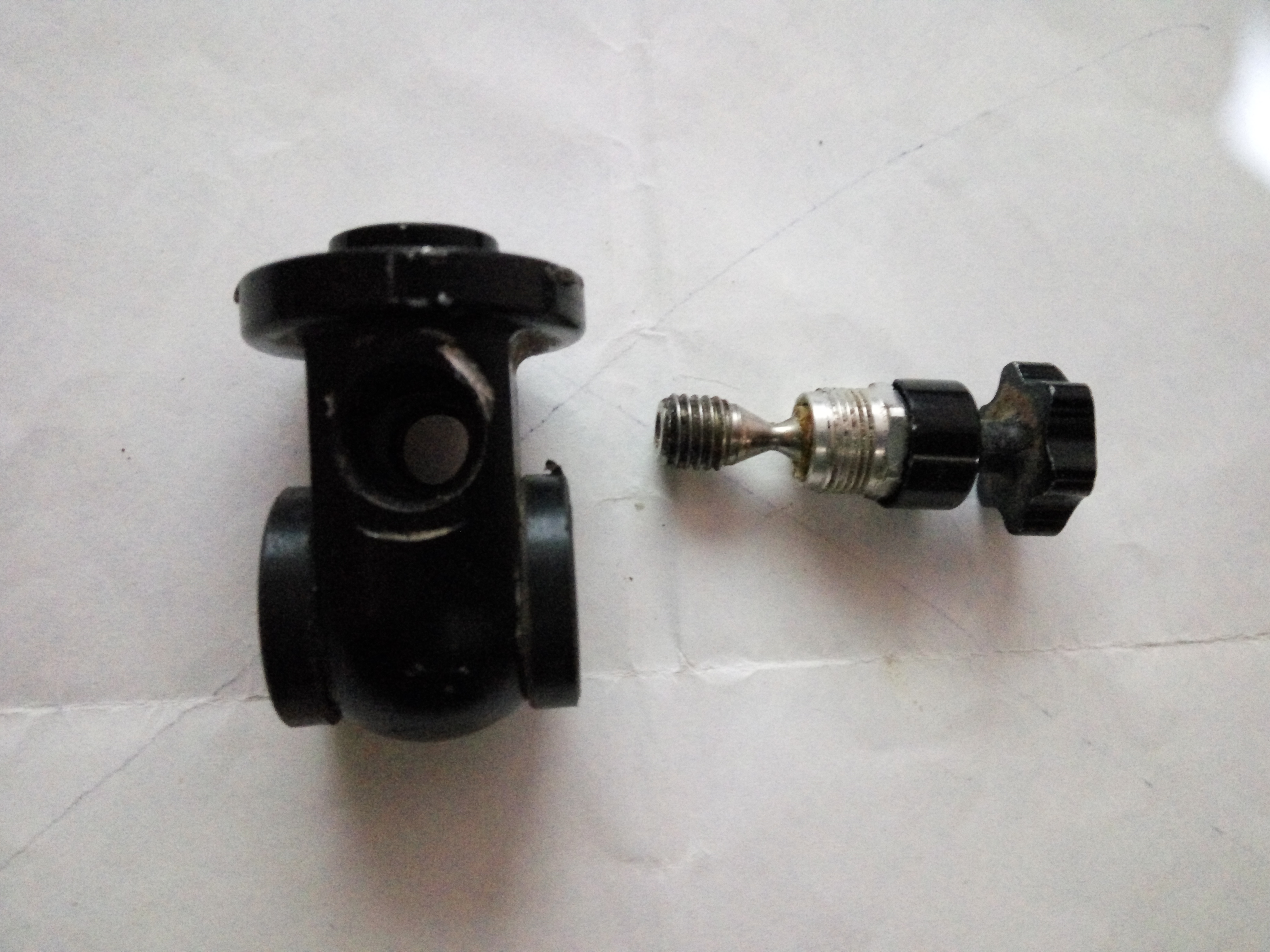
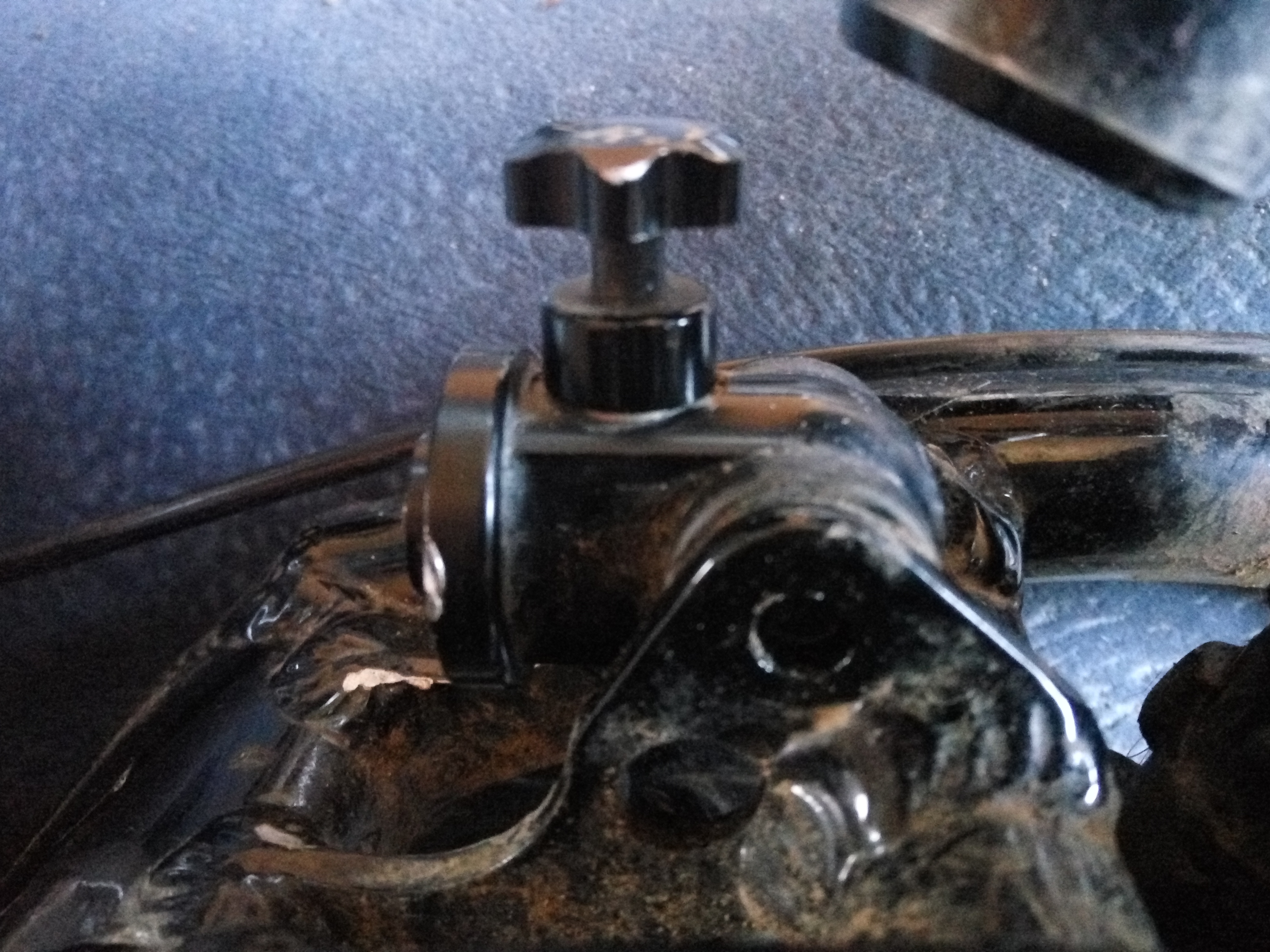
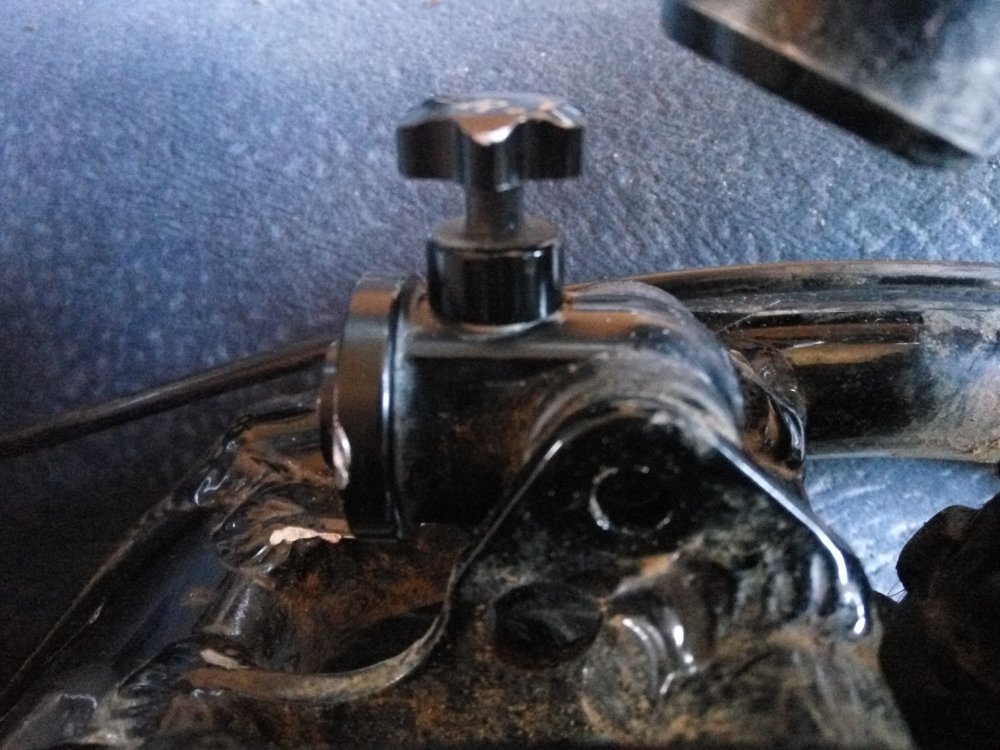
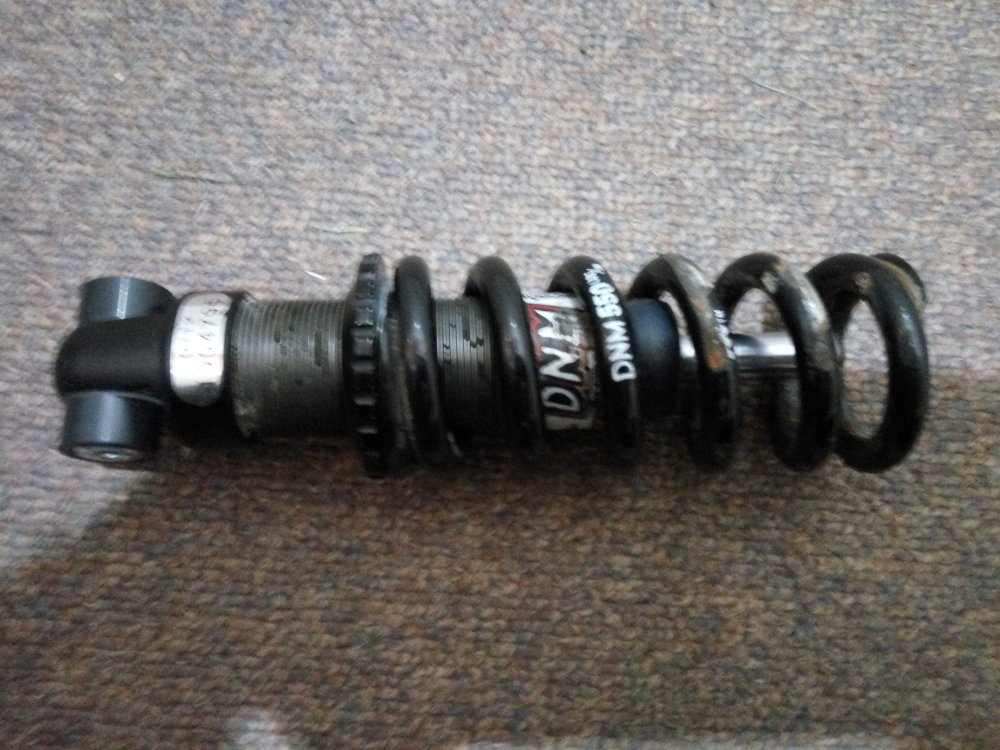
All good common sense. Thanks. I'll have a more detailed look. I've taken the end of the shocker apart (the spring end plate is missing). the knob assembly screws into the hole in the middle of the black bit. There is a taper on the chromed screw in rod. I thought initially that it might have been a valve which allowed air from down the main shaft of the shocker to escape - but I couldn't see where to. Pushing a spoke down the shaft I can feel something moving, so I think it's a valve in the main body of the shock. There must have been a control rod along the inside of the shock absorber shaft to push that. The rod must have been lost when the shocker was broken. There's a couple of centimetres of movement compared with a couple of millimetres from the tapered chromed rod though, which is odd. I can see now how it might work despite the small size of the bit at that end of the shocker. It should help with choosing a new one.
-
I think the seat tube was lowered so far that it hit the middle of the shocker and snapped it.
-
The oil could go down the hollow shaft, but I can't see where the oil could be going in the small end with the adjuster. There doesn't look to be enough room for air and oil.
-
I should mention the the original was a Fox Vanilla R, so I don't need to get a DNM in particular. Since you haven't warned me off them, I assume they are OK, and if they do a good range I might find something suitable from them. No, I've been riding motorbikes, pedal bikes and e-bikes for decades and I've recently been riding mountain bike tracks with an e-bike with V-brakes and front suspension. I'd like to try downhill tracks with bigger jumps. It's only for fun, I won't be competing.
-
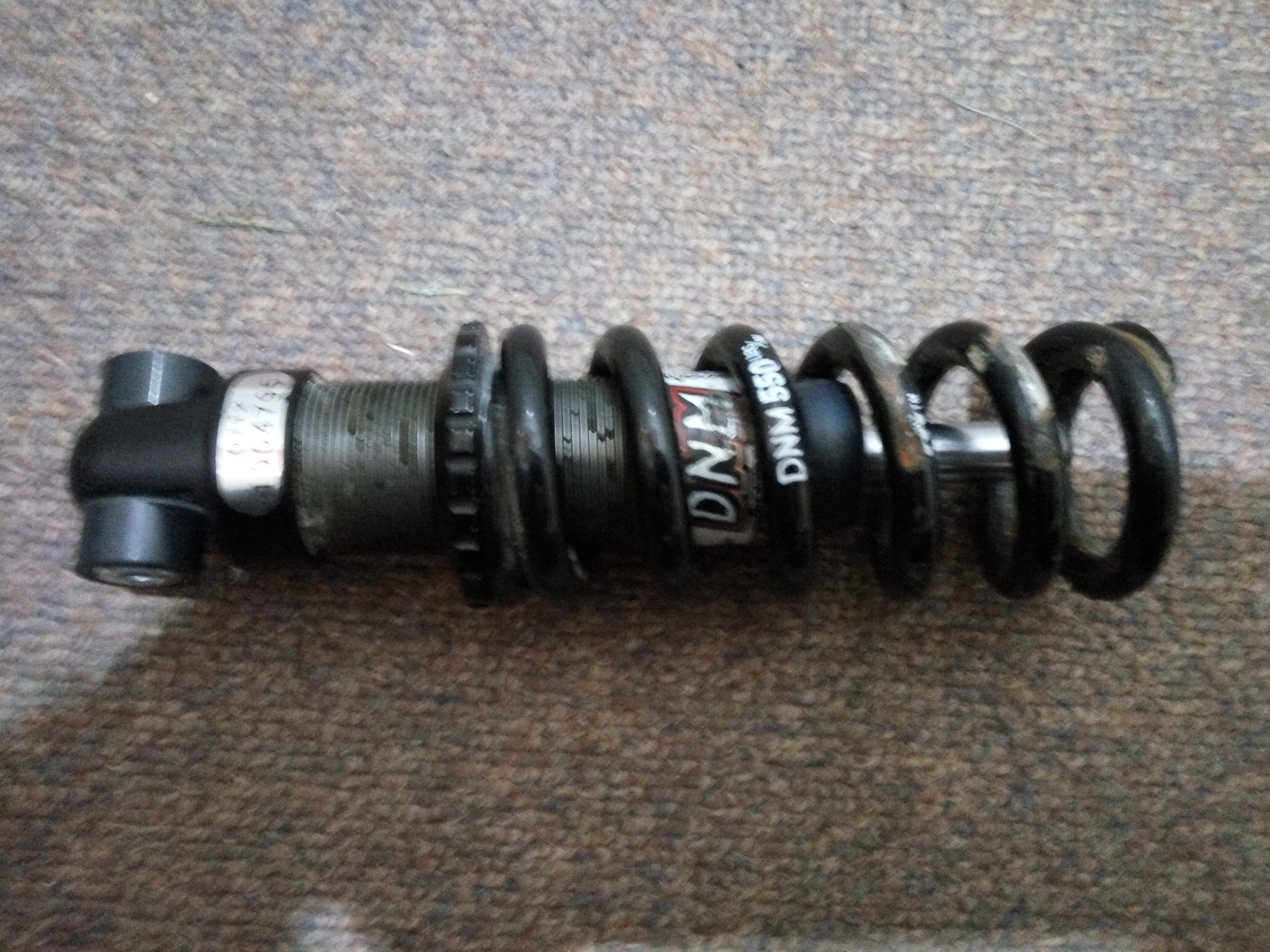
This is not a specifically e-bike question, but I am considering moving my motor to this bike, so I hope it is permitted. I need to buy a new shock absorber for my mountain bike. The current one (marked DNM torch) has snapped in half. First I need to understand a bit more about how they work. I understand the spring bit. There is also damping, I'm guessing there is oil or air inside the cyclinder which is squeezed through a small hole. What I don't understand is the knob marked "R" at one end. I assume it stands for "Rebound damping" and adjusts the strength of the damping, but I can't see how it works. The shaft is hollow, is there an air valve in the end with the knob? Wouldn't that need a hole to the outside and wouldn't that get blocked with mud?
-
Mine is slightly different to yours, as mentioned above, also I've not got a half-grip and as you mention, there is no washer at the end of the throttle away from the LEDs. I am a bit reluctant to use brute force, because if the tabs were much shortened they wouldn't retain the throttle sleeve so securely. If the throttle came away I would lose hold of the right hand handlebar. That is presumably why they are made difficult to detach. I'll have a look for some thin but strong material.